Tag: cooking

  • Salt Has Been Trying To Tell Us Something

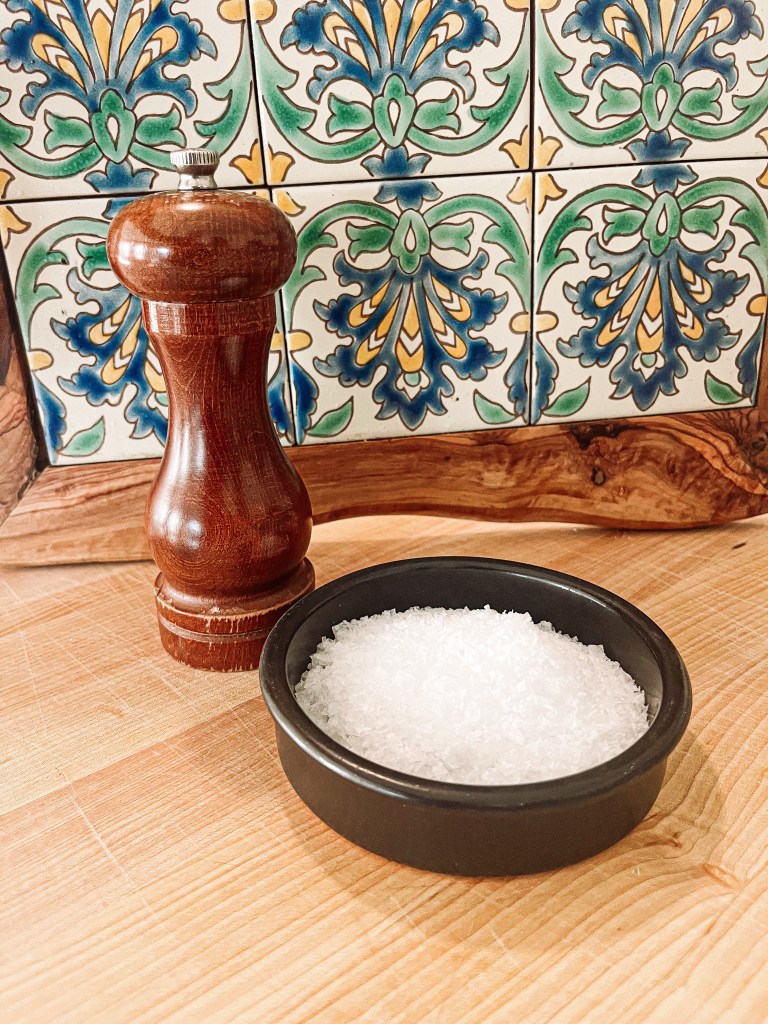
    Season your damn food! Seasoning gets treated like a finishing move, a sprinkle at the end, a shake of pepper, and a hope and a prayer, but that is not how good food has ever been made. For most of human history seasoning was not about preference or personality because it was about survival. Salt mattered because food mattered. Before refrigeration salt was how meat lasted and how vegetables made it through winter. Entire trade routes existed because of salt, and Roman soldiers were even paid with it, which is where the word salary comes from. Salt was currency and power and preservation. It was never optional. Somewhere along the way we decided salt was dangerous and seasoning became something to fear instead of something to understand.

    Salt does not make food salty because its true purpose is to make food taste like itself. It pulls flavor forward and sharpens what is already there. When you season early salt has time to dissolve and move into the food so that proteins hold onto moisture better and vegetables release water to cook instead of burn. Waiting until the end to season is not restraint. It is indecision. Building flavor means seasoning as the food changes. You salt onions before they brown so they soften and sweeten. You season meat before it hits the pan so the inside tastes as good as the outside. You taste after something reduces because concentration changes everything. You adjust again when fat shows up because fat smooths edges, and you taste when you add acid because acid tells the truth.

    If you only season once, you are not building flavor but are instead reacting to it. Pepper has a role, too, and historically it was treated with respect as a sign of wealth. It was used intentionally rather than dumped on everything. Pepper is aromatic and lives in your nose as much as your mouth. Add it early and it melts into warmth, but add it late and it preserves its bright, aromatic, and pungent flavor. Pre-ground pepper has already missed that moment and should be thrown out. Buy a pepper grinder and whole peppercorns. Toast the peppercorns until aromatic in a dry skillet before putting them in your pepper grinder.

    This brings us to the most ignored part of cooking, which is to taste your food. If you are not tasting your food, you are not cooking; you are just following instructions and hoping things work out.

    Flavor changes as food cooks. What tasted fine ten minutes ago might not taste right now. Recipes do not know what your ingredients taste like or how salty your broth is or how hot your stove runs. You do. Taste after you salt and after something reduces. Taste after you add acid and before you serve. People who worry about oversalting usually do not taste enough. Tasting early prevents mistakes while tasting late creates them. Professional kitchens taste constantly because food moves. Seasoning is a conversation you keep having until the food is done talking. Once you season in layers and taste along the way cooking gets easier. You do not need a bigger spice rack. You need to pay attention to what you are cooking because flavor is built on purpose.
  • Your Culinary Wishlist: 10 “Why Didn’t I Buy This Sooner?” Tools (Part Two)

    Your Culinary Wishlist: 10 “Why Didn’t I Buy This Sooner?” Tools (Part Two)

    Happy New Year! In the first installment of this two part series, we talked about the benefits of using proper pans, quality knives, multiple cutting boards, a meat probe, and a kitchen scale. If you haven’t already read part one, pause now and go back to catch up. Now that you’re up to speed, let’s continue.

    Stand Mixer

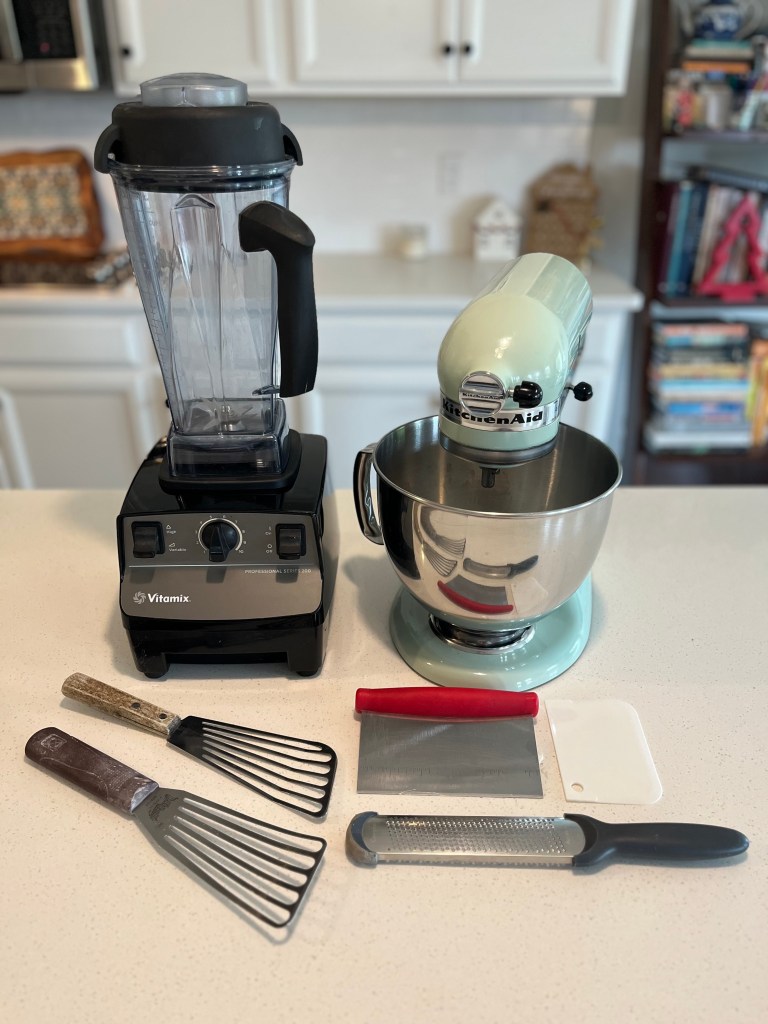
    The next item on our list is a stand mixer. Yes, they take up precious counter space. Yes, it’s still worth it (even for you crazy New Yorkers with apartments the size of a matchbox). Stand mixers are serious multitaskers; you can whip butter, knead dough, shred chicken, make pasta, blend sausage, grind meat, and even mill flour.

    Do not skimp and buy a cheap one. Buy a high quality model and put it through the wringer. I’ve had the same pistachio colored KitchenAid for ten years now, and I’ve worked it harder than a treadmill in January. They’re worth every penny.

    Fish Spatula

    This is my all time favorite utensil: the fish spatula. This oddly shaped tool is my go to for almost everything cooked in a pan. First, it features a thin, flexible blade that is much slimmer than standard spatulas, allowing you to slide it under delicate foods without tearing. It gets between the food and the pan with minimal force. The best part? It doesn’t matter that the blade is metal, because you shouldn’t be using nonstick cookware anyway!

    Secondly, the blade is slotted and angled, allowing oil and butter to drain away while providing the leverage needed for better control. Finally, the thin metal handles high heat without warping and releases stuck on food easily. They’re strong enough for burgers, gentle enough for fish, and precise enough for eggs.

    Blender

    Soups, sauces, and smoothies! Blenders are the workhorses of the professional kitchen, and they deserve a place in your home, too. Just like the stand mixer, this isn’t a tool you want to skimp on. A quality blender should be able to take real abuse and still perform day in and day out.

    The uses are nearly endless. It creates purées, emulsions, and vinaigrettes with a level of smoothness that traditional methods simply can’t match. Beyond that, it handles frozen fruit, ice, and batters with ease, turning scraps into soups and saving you time, money, and cleanup. If you care about texture, speed, and consistency, a blender earns its spot on your counter.

    Bench Scraper

    The next item on the list won’t necessarily make you a better cook, but you’ll find yourself reaching for it every day: the bench scraper. There are two main types, plastic and metal, and I use both.

    The metal scraper is excellent for portioning dough, cutting pasta, scooping chopped vegetables, and scraping the counter after kneading. Plastic bench scrapers are usually flexible; they can do most things a metal one can, though they aren’t quite as rigid. However, they do a superior job of scraping the inside of a mixing bowl and are safe for delicate surfaces. Having both on hand makes prep faster, cleaner, and more precise.

    Microplane/Zester

    A Microplane (yes, it is a brand name, but through “genericization” it has become the common term) is one of those small tools that make a massive difference. It uses ultra sharp blades to finely shave ingredients, preserving essential oils and aromas to provide bigger flavor with less effort. It’s perfect for citrus zest, garlic, ginger, onions, hard cheeses, and whole spices. It’s fast, easy to clean, and takes up almost no space. If you care about flavor, a Microplane is a no brainer.


    Investing in the right tools isn’t about filling your drawers with gadgets; it’s about removing the friction between you and a great meal. When you stop fighting with dull knives or flimsy spatulas, cooking stops being a chore and starts being fun. You can find all my recommendations here.