Country sausage, also known as breakfast sausage, is a staple on the American breakfast table, especially here in the South. Farmers used sausage to utilize all parts of the pig, creating inexpensive, high protein meals for themselves. It can take various forms such as fresh patties, links, or loose sausage and can feature a variety of seasonings like salt, black pepper, and sage. Common additions include brown sugar, thyme, garlic powder, onion powder, nutmeg, and paprika, plus optional heat from red pepper flakes or cayenne.
Breakfast sausage is one of the three main components of my favorite breakfast dish, Biscuits and Gravy. I cook off the fresh sausage patties in a cast iron skillet then use the fat and drippings from the sausage to make that Southern take on the béchamel mother sauce: sausage gravy.
Now, for my country sausage recipe you will probably need a scale with high precision. I’m talking about the type that the street pharmacist uses to weigh their products before bagging them up to fill “prescriptions.” You can click here for one. I developed this recipe for country sausage when I was the chef at a breakfast/lunch spot in Nashville (damn I miss that coffee). I used to make this sausage in 20 lb batches so you can scale this recipe up for however much you need. The recipe below is for a 1 lb batch.
Country Sausage
Ingredients:
454g Ground Pork
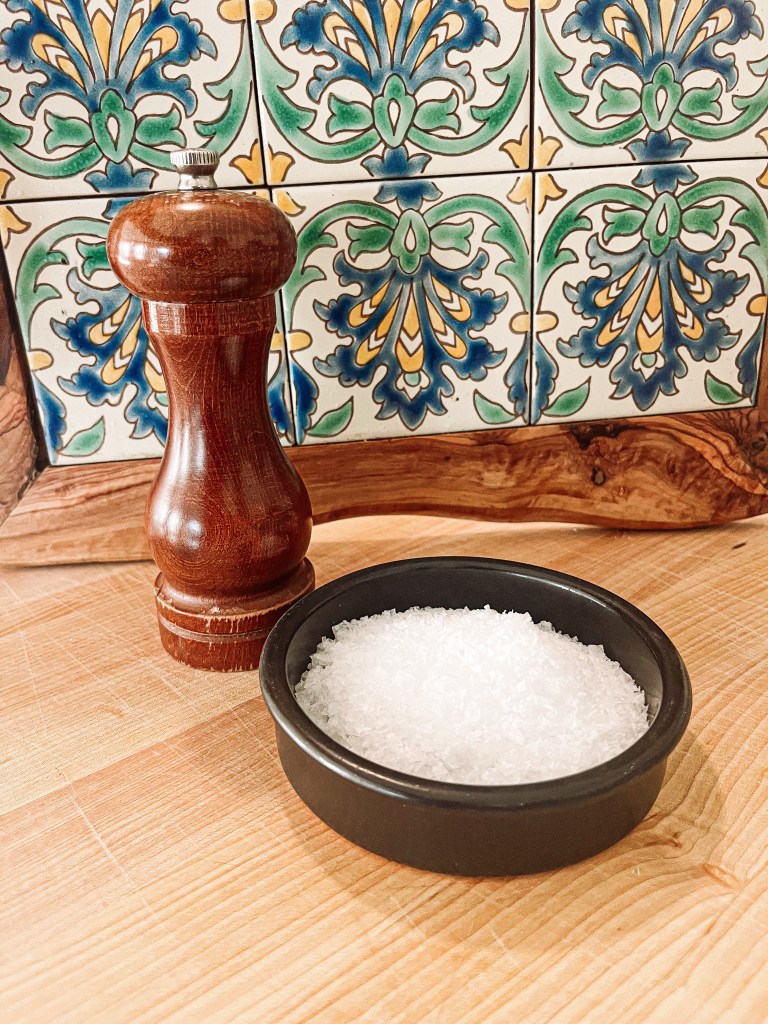
6g Kosher Salt
4g Dried Sage
1g Black Pepper
.75g Red Chili Flake
.5g Ground Juniper Berry
Method of Production:
Combine all ingredients in the bowl of your stand mixer and mix on low until all spices are evenly distributed. Weigh the sausage on a digital scale, then use your hands to shape it into patties.
Happy New Year! In the first installment of this two part series, we talked about the benefits of using proper pans, quality knives, multiple cutting boards, a meat probe, and a kitchen scale. If you haven’t already read part one, pause now and go back to catch up. Now that you’re up to speed, let’s continue.
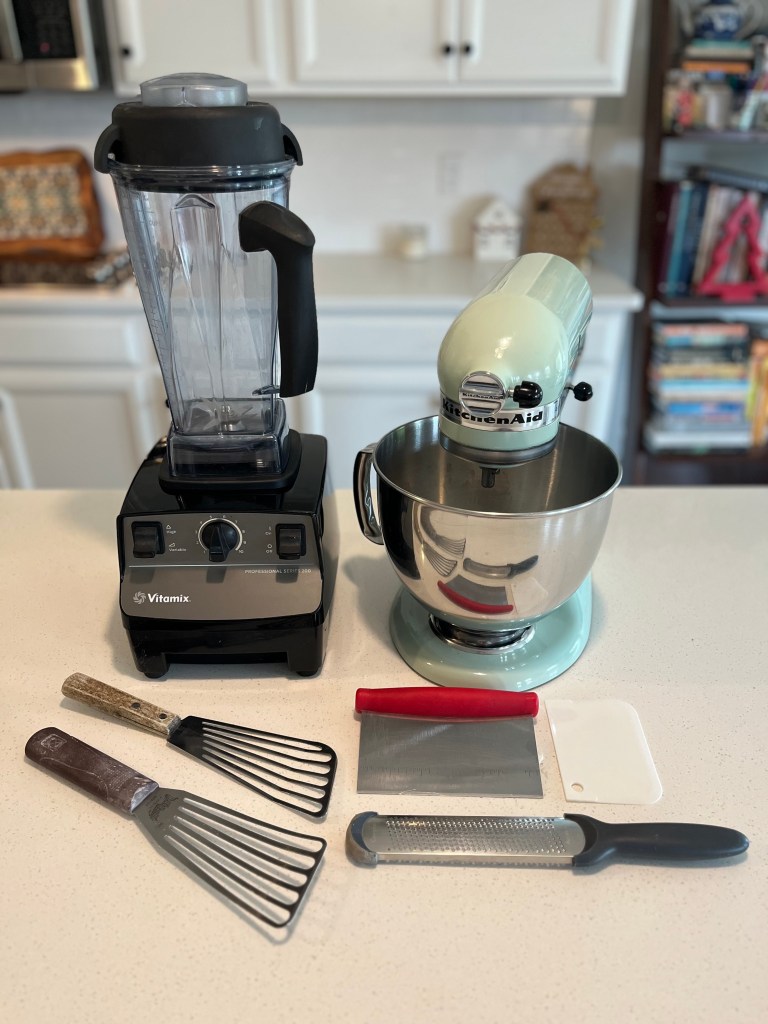
The next item on our list is a stand mixer. Yes, they take up precious counter space. Yes, it’s still worth it (even for you crazy New Yorkers with apartments the size of a matchbox). Stand mixers are serious multitaskers; you can whip butter, knead dough, shred chicken, make pasta, blend sausage, grind meat, and even mill flour.
Do not skimp and buy a cheap one. Buy a high quality model and put it through the wringer. I’ve had the same pistachio colored KitchenAid for ten years now, and I’ve worked it harder than a treadmill in January. They’re worth every penny.
This is my all time favorite utensil: the fish spatula. This oddly shaped tool is my go to for almost everything cooked in a pan. First, it features a thin, flexible blade that is much slimmer than standard spatulas, allowing you to slide it under delicate foods without tearing. It gets between the food and the pan with minimal force. The best part? It doesn’t matter that the blade is metal, because you shouldn’t be using nonstick cookware anyway!
Secondly, the blade is slotted and angled, allowing oil and butter to drain away while providing the leverage needed for better control. Finally, the thin metal handles high heat without warping and releases stuck on food easily. They’re strong enough for burgers, gentle enough for fish, and precise enough for eggs.
Soups, sauces, and smoothies! Blenders are the workhorses of the professional kitchen, and they deserve a place in your home, too. Just like the stand mixer, this isn’t a tool you want to skimp on. A quality blender should be able to take real abuse and still perform day in and day out.
The uses are nearly endless. It creates purées, emulsions, and vinaigrettes with a level of smoothness that traditional methods simply can’t match. Beyond that, it handles frozen fruit, ice, and batters with ease, turning scraps into soups and saving you time, money, and cleanup. If you care about texture, speed, and consistency, a blender earns its spot on your counter.
The next item on the list won’t necessarily make you a better cook, but you’ll find yourself reaching for it every day: the bench scraper. There are two main types, plastic and metal, and I use both.
The metal scraper is excellent for portioning dough, cutting pasta, scooping chopped vegetables, and scraping the counter after kneading. Plastic bench scrapers are usually flexible; they can do most things a metal one can, though they aren’t quite as rigid. However, they do a superior job of scraping the inside of a mixing bowl and are safe for delicate surfaces. Having both on hand makes prep faster, cleaner, and more precise.
A Microplane (yes, it is a brand name, but through “genericization” it has become the common term) is one of those small tools that make a massive difference. It uses ultra sharp blades to finely shave ingredients, preserving essential oils and aromas to provide bigger flavor with less effort. It’s perfect for citrus zest, garlic, ginger, onions, hard cheeses, and whole spices. It’s fast, easy to clean, and takes up almost no space. If you care about flavor, a Microplane is a no brainer.
Investing in the right tools isn’t about filling your drawers with gadgets; it’s about removing the friction between you and a great meal. When you stop fighting with dull knives or flimsy spatulas, cooking stops being a chore and starts being fun. You can find all my recommendations here.
A little over a year ago, my beautiful wife, Meg (who, bless her heart, puts up with all of my nonsense like this blog and the hundreds of other hobbies I have), and I decided we were no longer going to purchase sandwich bread from the store. I had tried out different recipes for classic sandwich bread and felt like this was a weekly commitment I could easily keep up with.
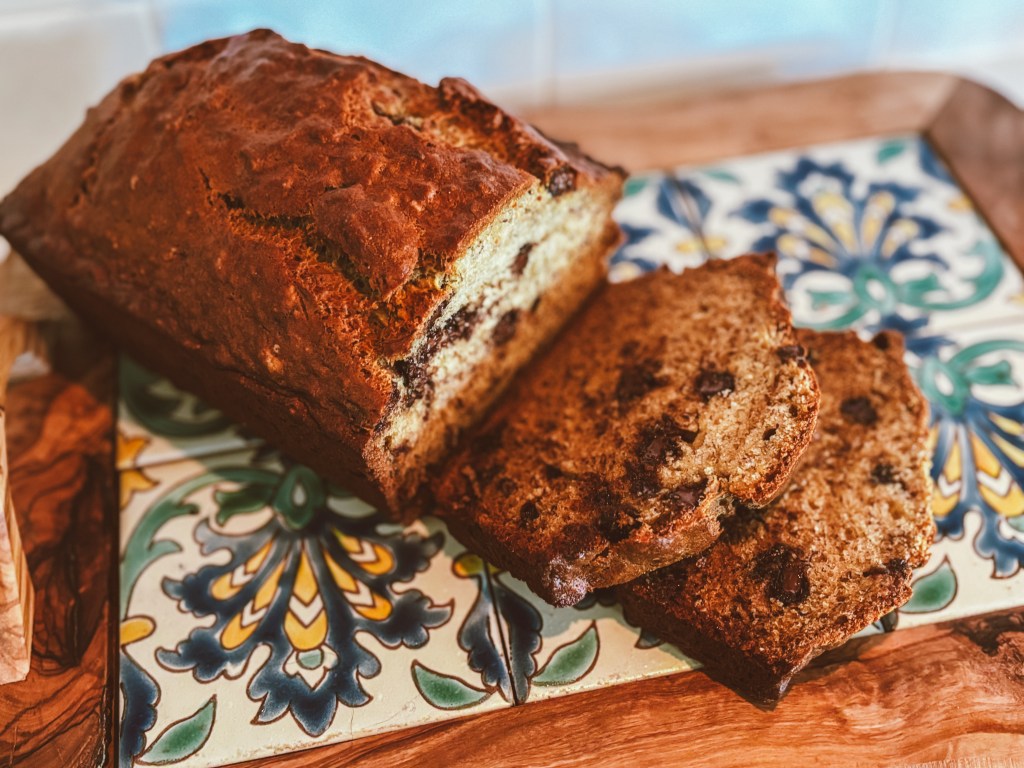
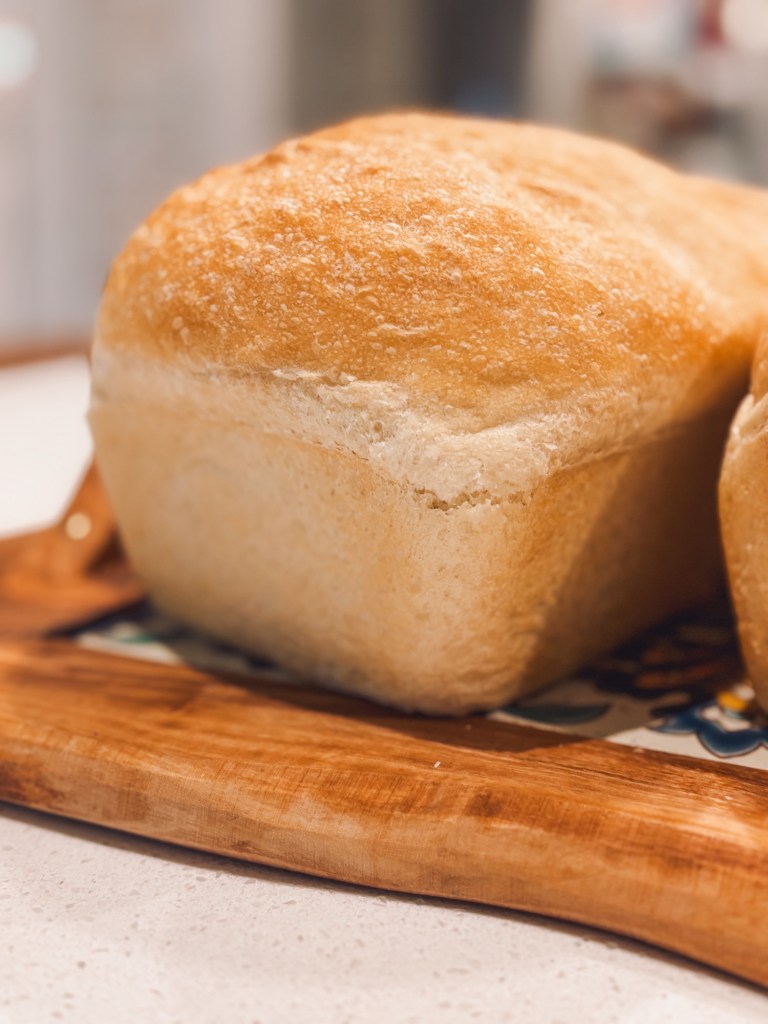
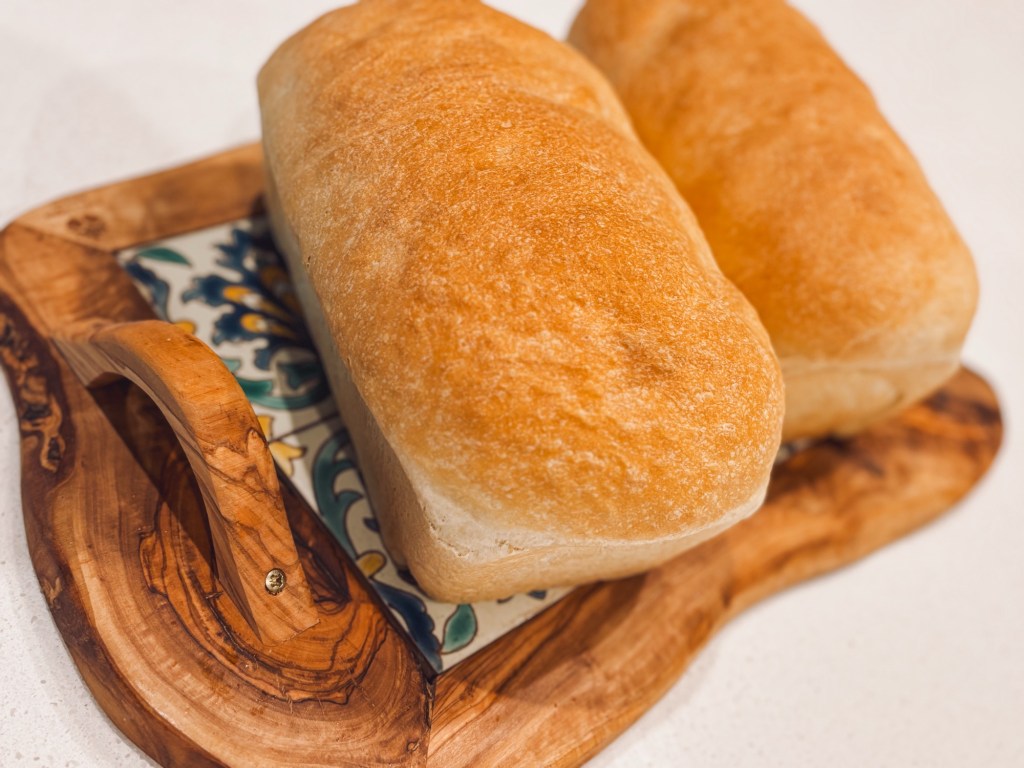
As I do with anything new I attempt to make, I researched the dish thoroughly, read through a bunch of recipes, and found one that was simple enough to start with. Over time, I’ve been able to tweak it, change it, and truly make it my own. After a year of making our sandwich bread from scratch, I can confidently say that it’s well worth the effort. The zen of kneading, the incredible smell as it bakes, and the kids eagerly waiting for it to cool down (you’re supposed to wait an hour after it bakes, but we aren’t always that patient!) are all part of the joy of making it at home.
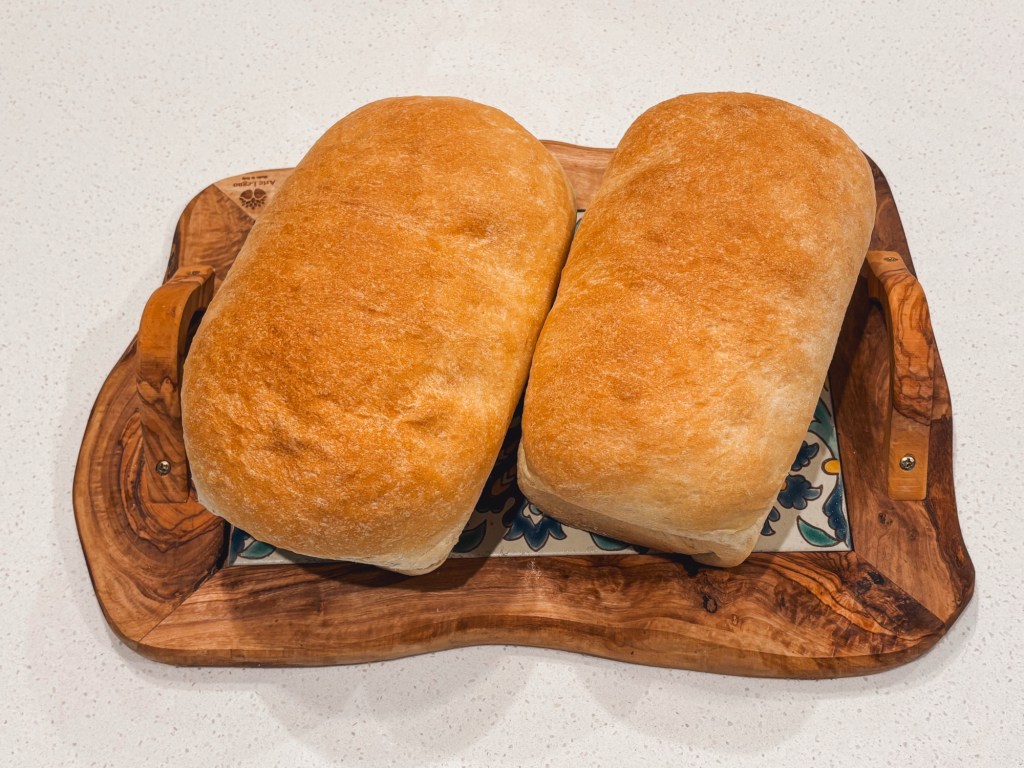
Just as with any baked good, your first attempt will likely not be your best. Do not be discouraged! Even after a year, I have some loaves that resemble construction material more than the staple of life. Keep at it, and you will be amazed by your progress and the delicious results. Below is the bread recipe and process that I use weekly. One batch makes two loaves.
Sandwich Bread
Ingredients:
275g Hot Tap Water
230g Whole Milk
114g Melted Butter
14g Instant Yeast
25g Sugar
720g Unbleached All-Purpose Flour
15 g Salt
Method of Production:
Gently whisk together the water, milk, melted butter, yeast, and sugar either by hand or in a stand mixer bowl. Allow the mixture to rest for 10 minutes until the yeast is foamy and bloomed.
If using a stand mixer, switch to the dough hook attachment.
Add the flour and salt to the yeast mixture. Mix on low speed until a shaggy, cohesive dough forms.
Remove the dough from the bowl and knead by hand on a lightly floured surface for 7 to 9 minutes until a smooth, elastic dough forms. If the dough is sticky, dust it lightly with extra flour, adding it slowly as you knead.
Place the kneaded dough in a lightly oiled bowl and cover it with plastic wrap or a clean kitchen towel.
Allow the dough to perform its first rise (bulk fermentation). Let it rise at room temperature until it has nearly doubled in size, which will take approximately 1 ½ to 2 hours, depending on your kitchen’s temperature.
Once doubled, gently uncover the dough and gently punch it down to deflate the air.
Transfer the dough to a lightly oiled work surface. Divide the dough into two equal halves.
Shape each piece of dough into an 8-inch (20 cm) log or loaf shape.
Place each shaped log into a greased loaf pan (standard 8.5 x 4.5-inch is common) and cover the pans loosely with plastic wrap.
Allow the loaves to perform their second rise (proofing) for approximately 45 to 60 minutes, or until the dough is nicely domed and has risen about 1 inch above the edge of the pan. About 30 minutes into the proofing time, preheat your oven to 350˚F (175˚C).
Remove the plastic wrap and bake the loaves for 28 to 30 minutes until the crust is golden brown.
Immediately remove the baked bread from the pans and transfer it to a wire cooling rack. Allow the bread to cool completely for 1 hour before slicing.
We all know the feeling. You’re trying a new recipe, you’ve got the ingredients ready, but your tools are letting you down. Maybe your dull knife is making chopping a chore, or your cheap skillet is creating stuck on messes. My goal for this blog is to help you become a better, happier cook at home. That starts with getting the right tools. I’m talking about simple, high-impact items that will make you feel like you instantly leveled up. If you’ve ever wished your kitchen was more functional, this list is for you.
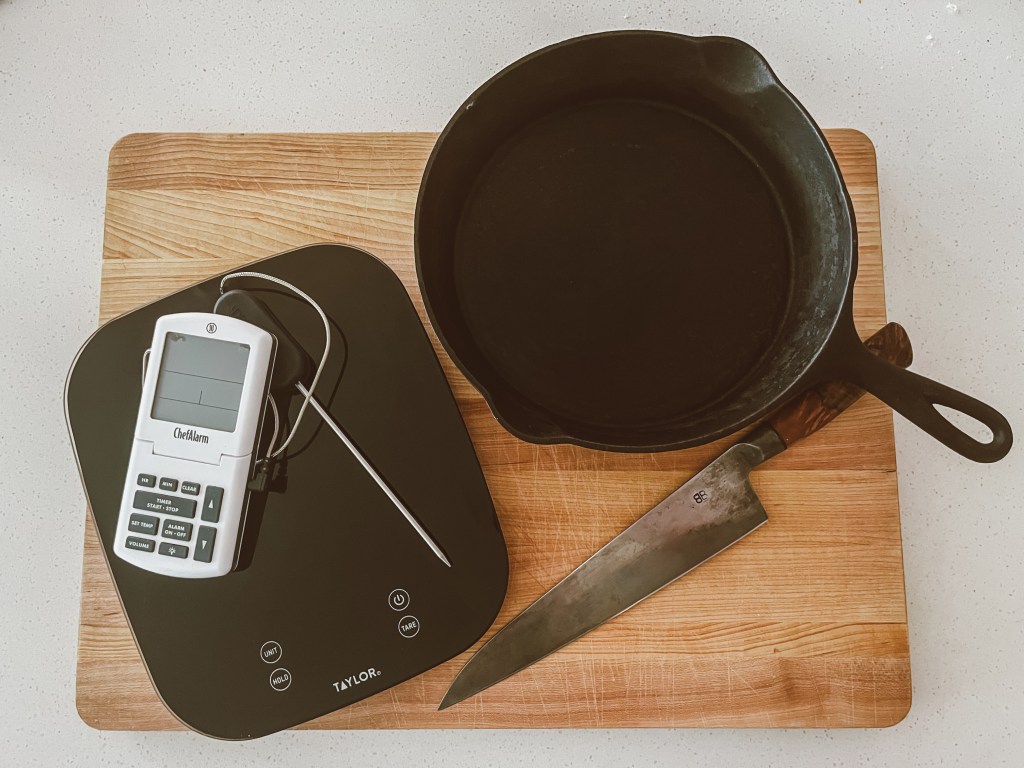
You don’t have to go out and buy the most expensive knife set at your local Williams Sonoma. Instead, put as many knives in your hand as possible to see what feels most comfortable to you. Go to your local kitchen store and just hold them like you would if you were chopping vegetables. Start with a good quality chef’s knife. When I say good quality, I mean one that will hold an edge well so you don’t have to sharpen it every week (note: honing with a honing steel and sharpening are two different things). This is the workhorse of the kitchen. You’ll find that cutting vegetables and slicing meats is much easier with a high quality knife. After you find a chef’s knife that you love, you can start piecing together the rest of your set (slicer, boning, paring, petty). We’ll go into this in more detail at a later date.
Stainless steel, cast iron, and carbon steel! Put your nonstick and aluminum pans where they belong…in the trash. Cast iron cookware has been around for over 2,000 years, while modern nonstick has been around for about 70. When cared for and used properly, cast iron, stainless, and carbon steel cookware is just as nonstick as the modern nonstick pan, without all the chemicals used to create that surface. Aluminum pans can also leach chemicals into your food and do not have the same even heat distribution and retention as cast iron and stainless steel. Like good quality knives, good pans will make cooking so much more easy and enjoyable.
Chefs measure ingredients by weight. You should be, too. Cooking by weight is more accurate, efficient, and consistent. It removes the guesswork of using volume to measure. Look for a kitchen scale that has a high enough capacity for what you will be using it for, has the ability to switch between units (grams, ounces, pounds), and a tare function (the ability to zero out the scale while it still has something on it).
Notice it’s plural. You need at least two cutting boards: one for chicken and one for everything else. If you want one for seafood, one for beef, one for pork, one for chicken, and one for vegetables, even better! Make sure that the one you choose for chicken is dishwasher safe. Do not trust your hand-washing abilities to protect you from what raw chicken will leave behind. Hardwood cutting boards are the best but cost more. Polyethylene plastic is a good cost-friendly alternative, especially for raw meats. Glass and stone cutting boards will ruin your knives.
Take the guesswork out of cooking meats. Using a meat thermometer is the most reliable way to ensure that meats reach the safe internal temperature needed to kill harmful bacteria. On the flip side, it will ensure that you are not overcooking, so your meats retain their moisture and tenderness. Meat thermometers help you achieve great results consistently.
These simple items, from a sharp knife to a reliable thermometer, will eliminate the frustration and guesswork from your cooking. You can find all my recommendations here.
Hi, I’m Alex. I grew up in a small town in Georgia, but food has taken me all over the world. Over the years I worked in kitchens in Charlotte, Bergen (Norway), Oslo, Disney World, Chattanooga, Atlanta, and Nashville. For 12 years, I lived and breathed the life of a chef with long hours, hot kitchens, and the constant pursuit of making something better than the day before.
Eventually, I hung up the apron to spend more time with my family, but my love for food never went away. Cooking has always been more than just work for me; it’s a way to connect, to share, and to create memories.
This blog is my way of bringing that passion to you. I want to help take the fear out of cooking, to show that it doesn’t have to be complicated or intimidating. With the right guidance (and a little patience), anyone can put a great meal on the table.
So whether you’re just getting started or looking to sharpen your skills, welcome! I’m glad you’re here. Let’s cook something together.